
Cooking 101: your first happy kitchen adventure
Read a recipe, get organized, learn the heat, and finish one simple dish with confidence.
Learn in 15 minutes; practice at your own pace
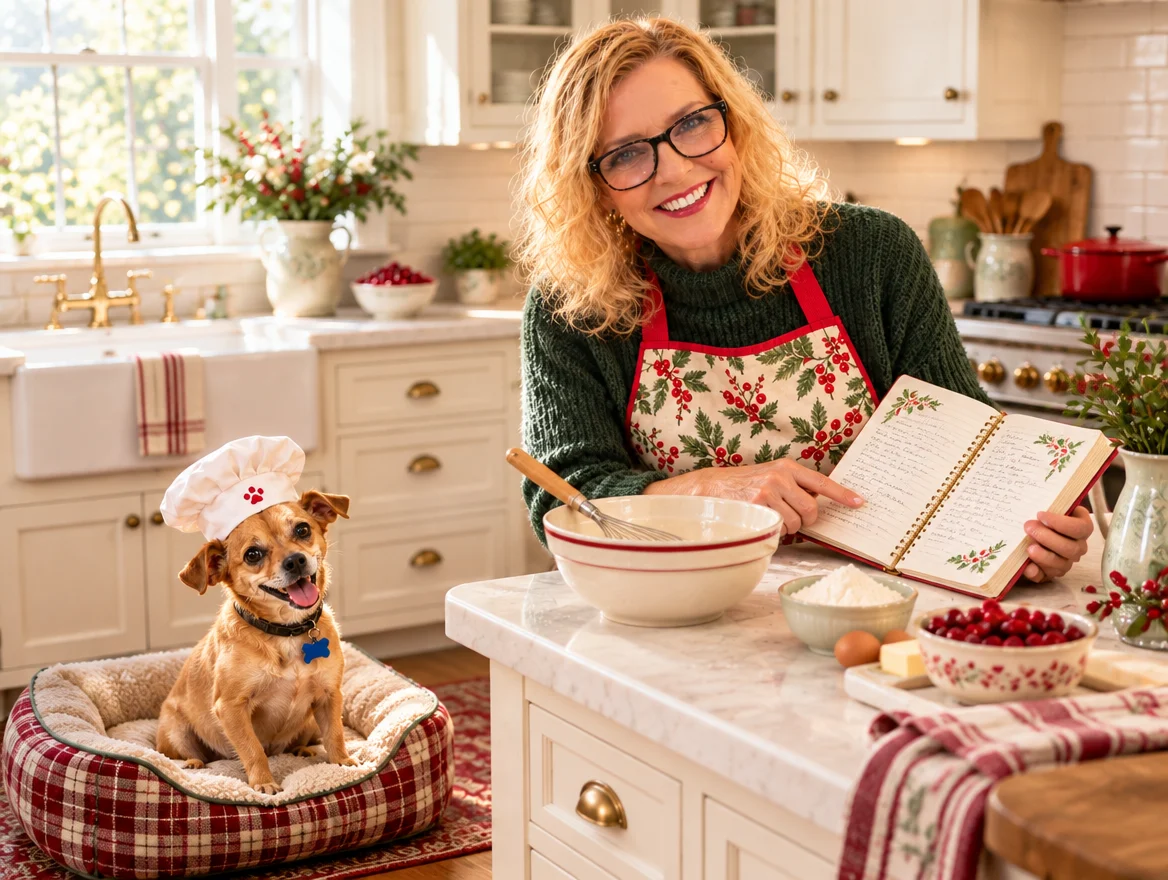
A short recipe, an adult helper for children, a clear work surface, clean utensils, and a food thermometer when the dish calls for it.
Choose one useful success
Start with a no-cook fruit plate, scrambled eggs made with an adult, or a simple roasted vegetable. Read the entire recipe before shopping. Identify its pan size, oven setting, cooling time, and any ingredients that need thawing.
Set out the ingredients before the heat
Measure into small bowls when helpful. Check the ingredient list against your counter, including oil, salt, and serving tools. This habit is called mise en place: getting things ready. It prevents a hunt for the colander while the pasta boils.
Learn the measuring language
Use dry cups for flour and liquid jugs for pourable ingredients. Spoon flour into its cup and level it rather than packing it. Teaspoons and tablespoons are different: one US tablespoon is three teaspoons. Practice fractions with water before using ingredients.
Make a safe working space
Wash hands, tie back hair, and stabilize the chopping board. Adults choose and teach knife tasks according to ability. Keep raw meat, poultry, eggs, and their tools away from ready-to-eat food. Young helpers can wash produce, count, or arrange prepared ingredients.
Get to know heat and texture
A simmer has gentle small bubbles; a boil is more active. Sautéing cooks small pieces in a little fat over direct heat; roasting uses the oven. Begin with the recipe setting and watch the food. Too many pieces in one pan can steam instead of brown. Adults handle hot pans and oil.
Check, taste safely, and finish
Use the recipe’s doneness cues and a thermometer for foods that require a safe internal temperature. Never taste raw flour mixtures or raw meat. Taste a cooled cooked sample with a clean spoon. Adjust seasoning gradually, serve at a comfortable temperature, and put perishables away promptly.
Try one little thing.
Complete one small recipe, then write down one thing you learned and one thing you would change.
Choose a printable for the adventure →